
Vasarely in a New Context – Jubilee Year Begins in Pécs
2026
Jan
23

The professional press-opening of the Vasarely 2026 – Pécs jubilee year was held on January 22 at the Janus Pannonius Museum Modern Hungarian Gallery’s exhibition space on Papnövelde Street.
During the renovation of the fifty-year-old Vasarely Museum, Victor Vasarely’s works are exhibited in a new concept roughly two hundred meters from the museum, in the large temporary exhibition hall of the Modern Hungarian Gallery. This selection, featuring several hundred works, includes many pieces that have not previously been part of the permanent exhibition.
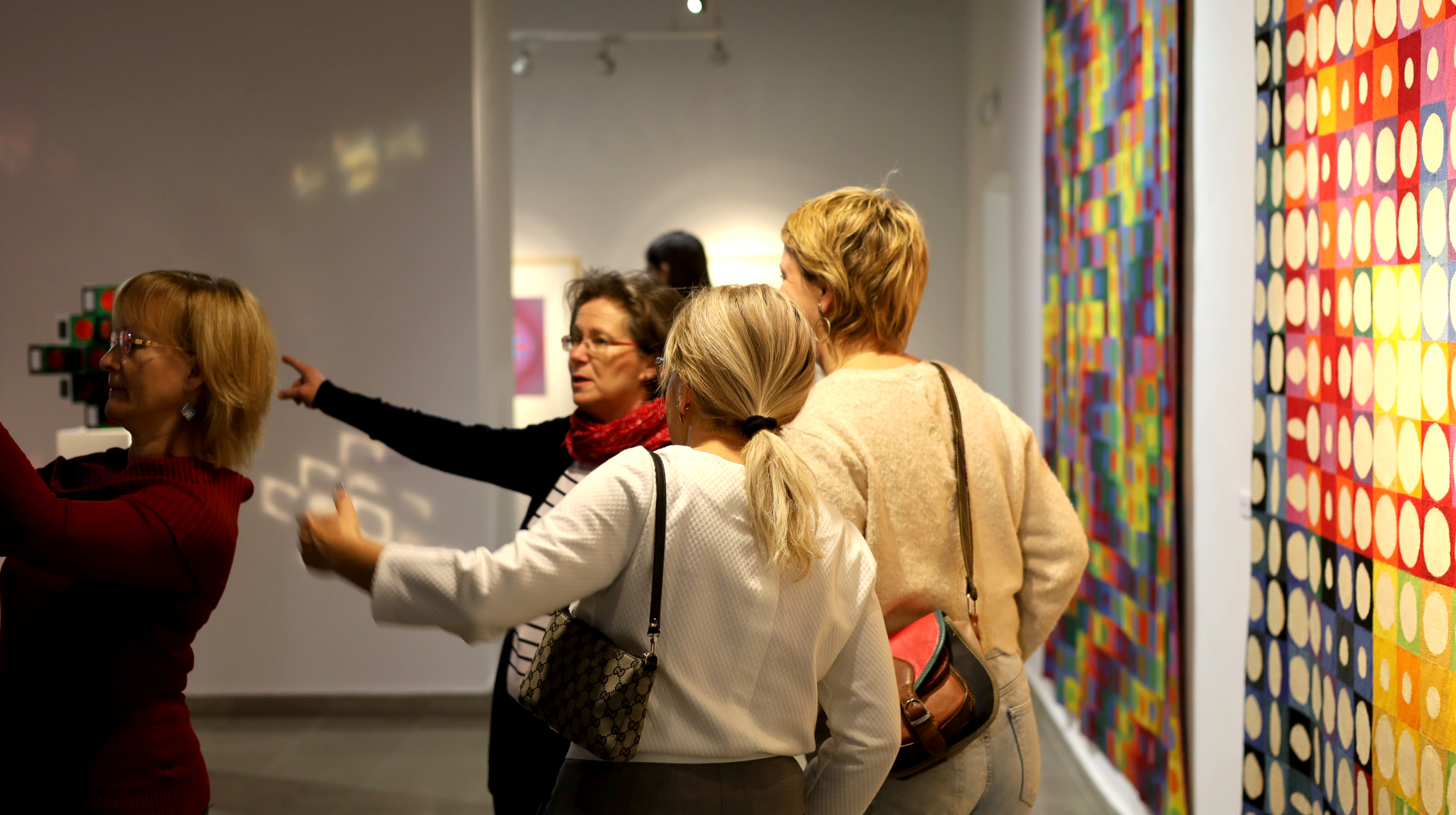
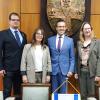
At the opening, Péterffy Attila, mayor of Pécs, emphasised that the event is not merely an exhibition opening but symbolises the beginning of the jubilee year. He stated that since its founding the Vasarely Museum has embodied a spirit that Pécs continues to embrace today: modernity, openness, creativity, and an experimental approach, which serve as guiding principles not only for the arts but also for the wider creative industries.
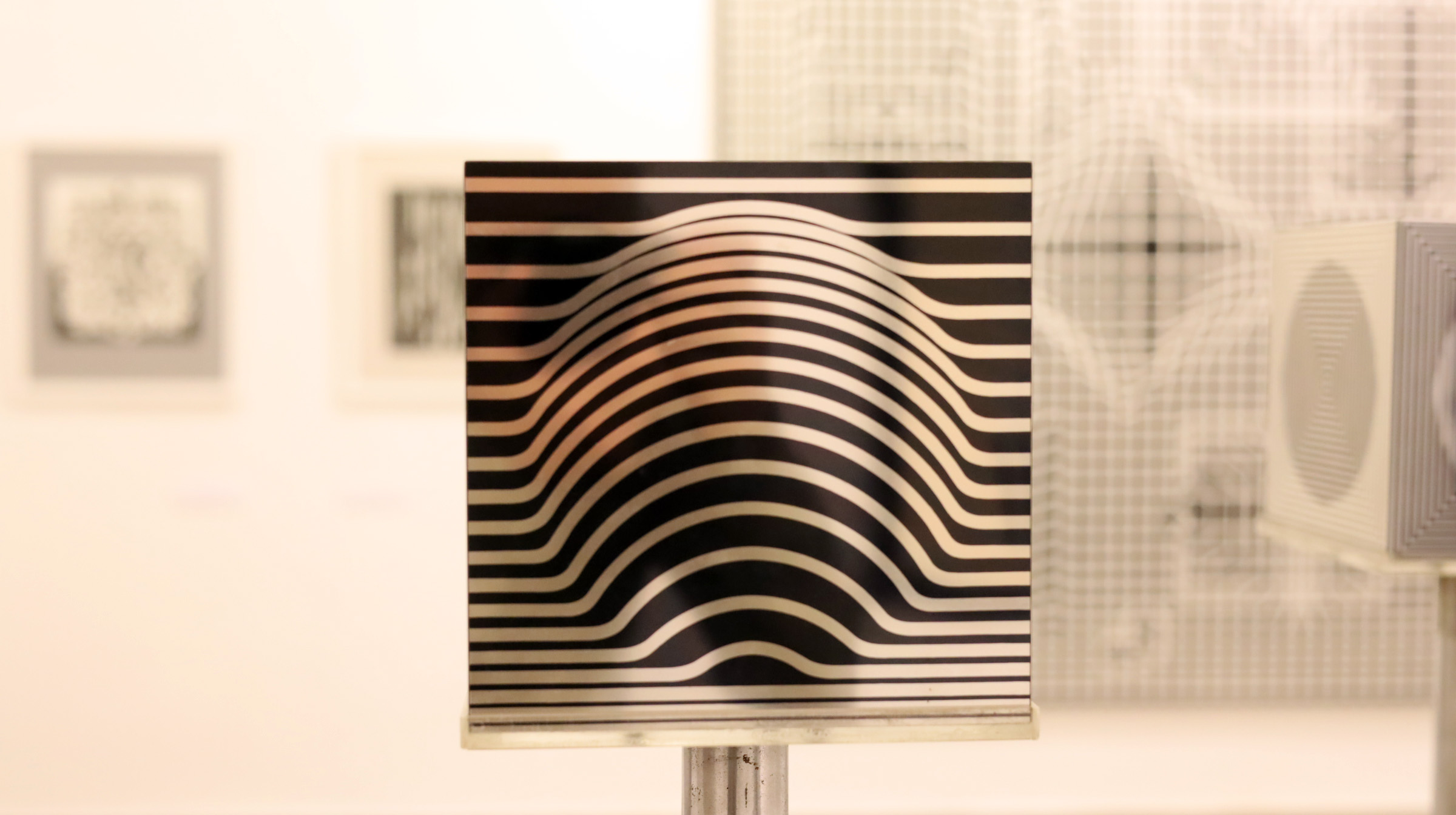
According to Gábor Bertók, director of the Janus Pannonius Museum, the temporary relocation of the Vasarely Museum’s collection is a fortunate solution for several reasons. It provides an opportunity to renovate the building that has housed the collection for half a century, and it also brings new momentum to the Modern Hungarian Gallery’s exhibition space on Papnövelde Street. The legacy of Vasarely — as one of the flagship collections of the Pécs museum network — represents an attraction that can contribute to increasing the visibility and visitor numbers of the venue.
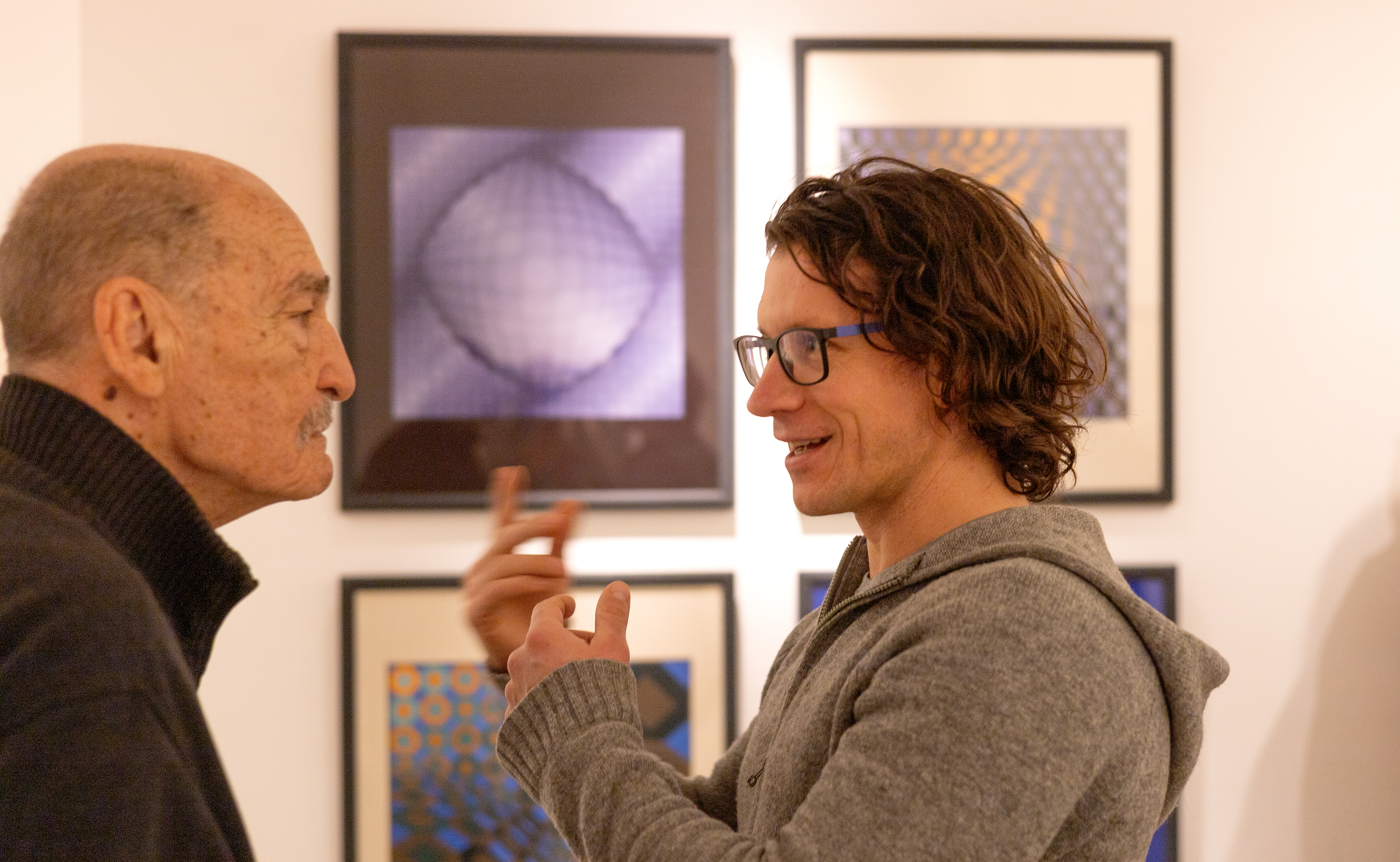
Nagy András, head of the Department of Fine and Applied Arts at the Janus Pannonius Museum, introduced his remarks with a quotation from Wilhelm Waetzoldt about bringing masterpieces out into public space: “if Rembrandt paintings were displayed across the street, crowds would flock to see them.” In this case, placing Vasarely’s works in the large temporary exhibition hall gives them a new context and offers fresh perspectives to visitors. The current selection is intentionally audience-friendly: early constructivist and advertising graphic works are not included, while so-called “zebra” works are more prominently featured. Although this motif today carries heavily loaded connotations in Hungary, in Vasarely’s art it represents an autonomous force likely to outlive current political symbolism.
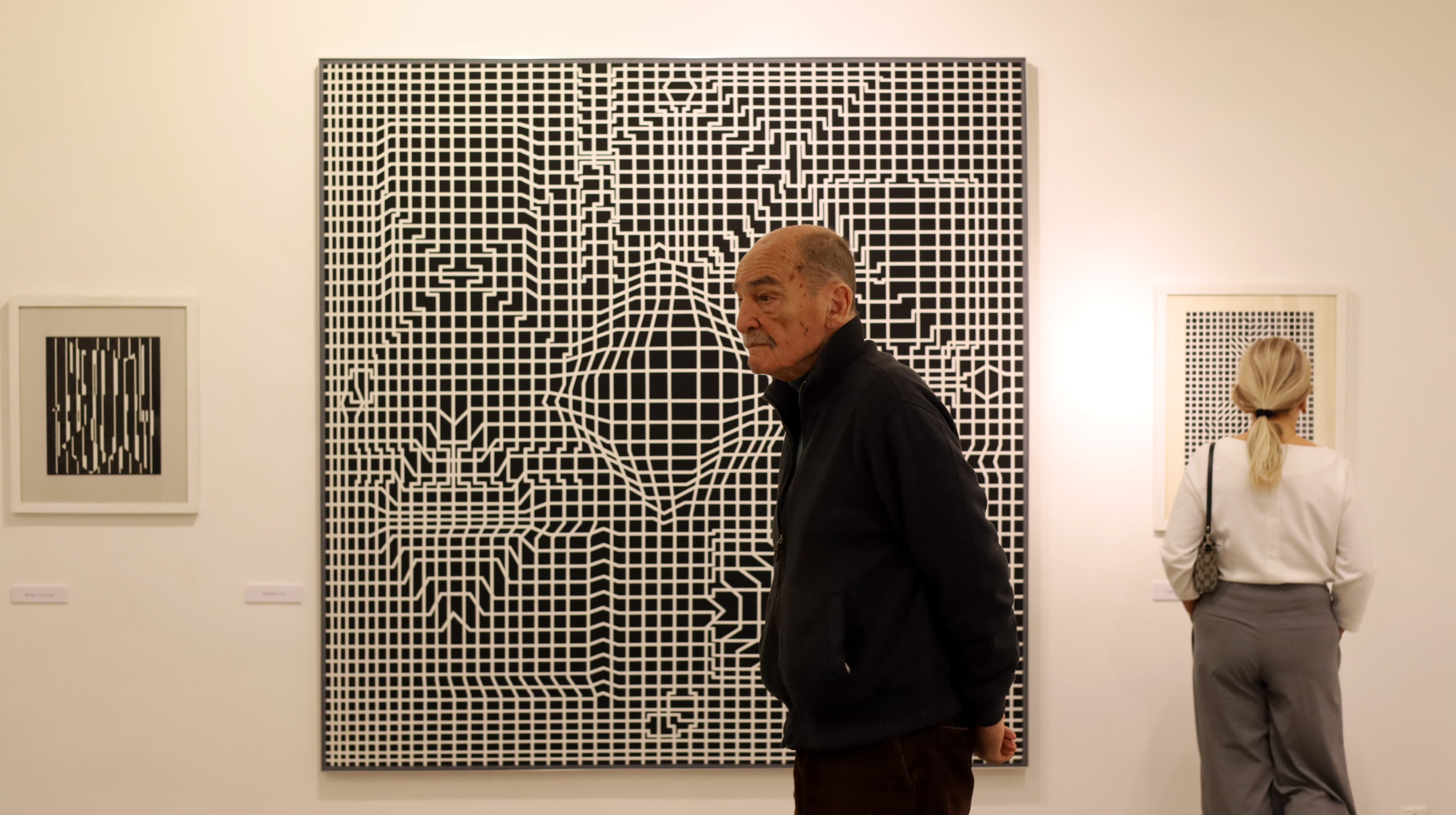
The exhibition Plastikai egységek és kódolható faktúrák – Victor Vasarely at the JPM Modern Hungarian Gallery is open until March 22, 2026, Tuesday to Sunday, 10:00–17:00.
Author and photos: Péter Aknai
Translation: Hanna Leemans


- Log in to post comments
News




Faculties
University of Pécs
International Centre | Rector's Cabinet
H-7622 Pécs, Vasvári Pál str. 4.
+36-72/501-500/61682


University of Pécs | Chancellery | IT Directorate | Portal group - 2020.