
What to Eat for Your Mental Health? A Guide in the Spirit of the PTE Blue Zone
2026
Mar
25
Are you tired even though you sleep enough? Do you feel anxious about tasks that seem like simple daily routines to others? Do you feel unmotivated or find it hard to overcome a significant challenge? Then this article is for you! Let’s clarify right at the beginning: this is not a catchy marketing text, and I won’t recommend any products or subscription services at the end. Instead, I’m offering a practical guide so you can take charge of your own mental health.
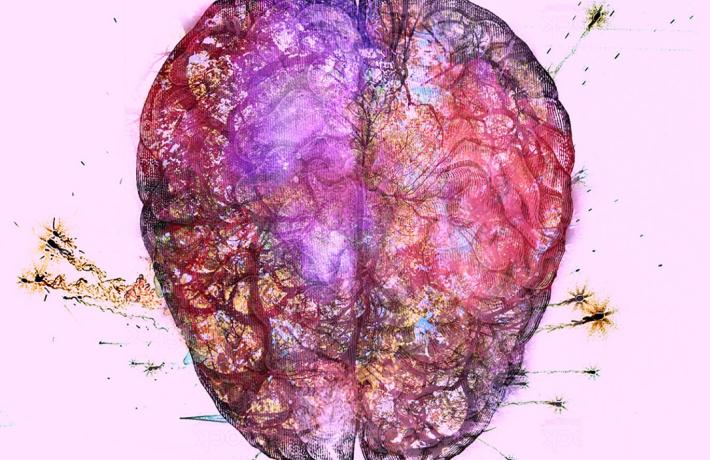
In 2026, mental health is one of the biggest trends—and it’s not just a passing fad, but a deeply significant matter that deserves our attention. Allow me to share the professional guidelines that help you handle stress more calmly, stay present during conflicts, and generally reduce daily anxiety in a simple way: through conscious eating.
An increasing number of studies focus on how common, everyday ingredients found on supermarket shelves affect our stress levels and brain function. With a well-structured diet, we can not only tackle daily challenges more easily or perform better at university and work, but we can also think of the future. We can help prevent Alzheimer’s disease and dementia, and even reduce the risk of developing depression.
The best news is that we don’t need to spend a fortune on overpriced "miracle cures" or treatments; we can achieve all this through a well-balanced diet using simple raw ingredients.
What does mental health actually mean? According to the WHO definition, it is "a state of well-being in which the individual realises his or her own abilities, can cope with the normal stresses of life, can work productively and fruitfully, and is able to make a contribution to his or her community". We can see that emotional balance affects every area of our lives. Nutrition is no different. If we structure our daily diet poorly, our bodies will eventually suffer from deficiencies, leading to various illnesses.
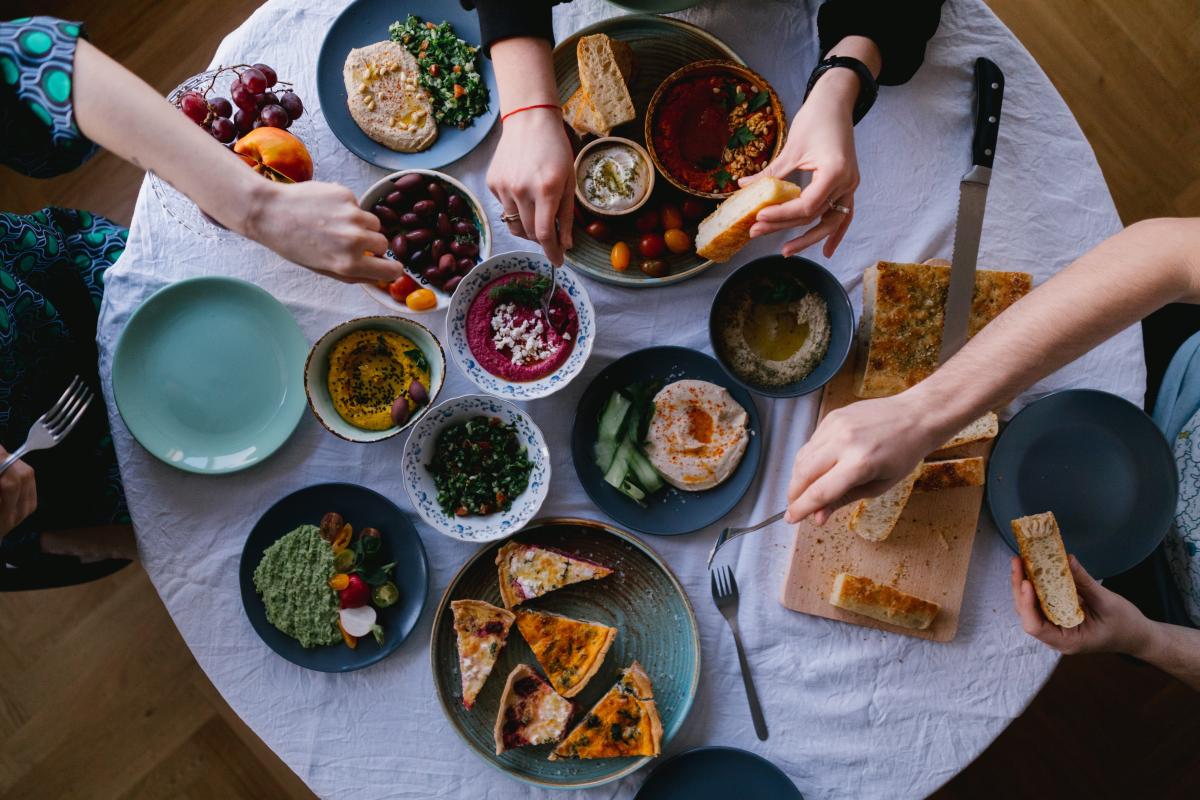
Psychological factors and eating are inseparable. The process of digestion begins the moment we see food or smell its aroma. These stimuli flip "switches" in the brain that send signals to the stomach with the message that the digestive process must soon begin. Furthermore, they trigger emotions. Just think of the scent of hot apple pie, which might evoke memories of summers spent with grandparents.
The perception of taste also plays a vital role.
Food is often a reward (a cake after a successful exam), its withdrawal can be a punishment (withholding a desired chocolate if we underperform), and it is also symbolic (a birthday cake or a Christmas poppy seed roll). Emotions, thoughts, and habits are tied to it; thus, while the primary goal of eating is to nourish our bodies, it also defines us mentally.
Focus is increasingly shifting toward research proving that the community of bacteria in our gut, the microbiome, is linked to brain function. Similarly, it has been observed that in individuals where the diversity of these bacteria is low, there is a much higher risk of depression, dementia, and other mental health conditions.
The question rightly arises: how do I do this in practice? What should I eat for the well-being of my mental health? The first key is a balanced and varied diet.
There is no need for complicated or expensive ingredients. Aim to ensure your plate always contains complex carbohydrates, high-quality fats, and protein. Make it colourful with vegetables and fruit. Pay attention to fibre intake, which can be covered by whole grains (e.g., spelt, rye) and pseudo-grains (like buckwheat or millet). In addition to well-known everyday vegetables, legumes are highly valuable for their nutrients. You can choose from a wide variety of fruit—and frozen counts too, not just fresh!
Among fats, omega-3 fatty acids play a crucial role, so consuming fish and certain oilseeds (like walnuts or flaxseeds) is beneficial. Vitamins and minerals are best obtained from whole foods rather than supplements—and don't just think of fruit and vegetables, but also various types of grains, legumes, meat, fish, and dairy products. Furthermore, let me mention the role of probiotics, which enrich the bacterial strains in the large intestine, thereby improving overall health.
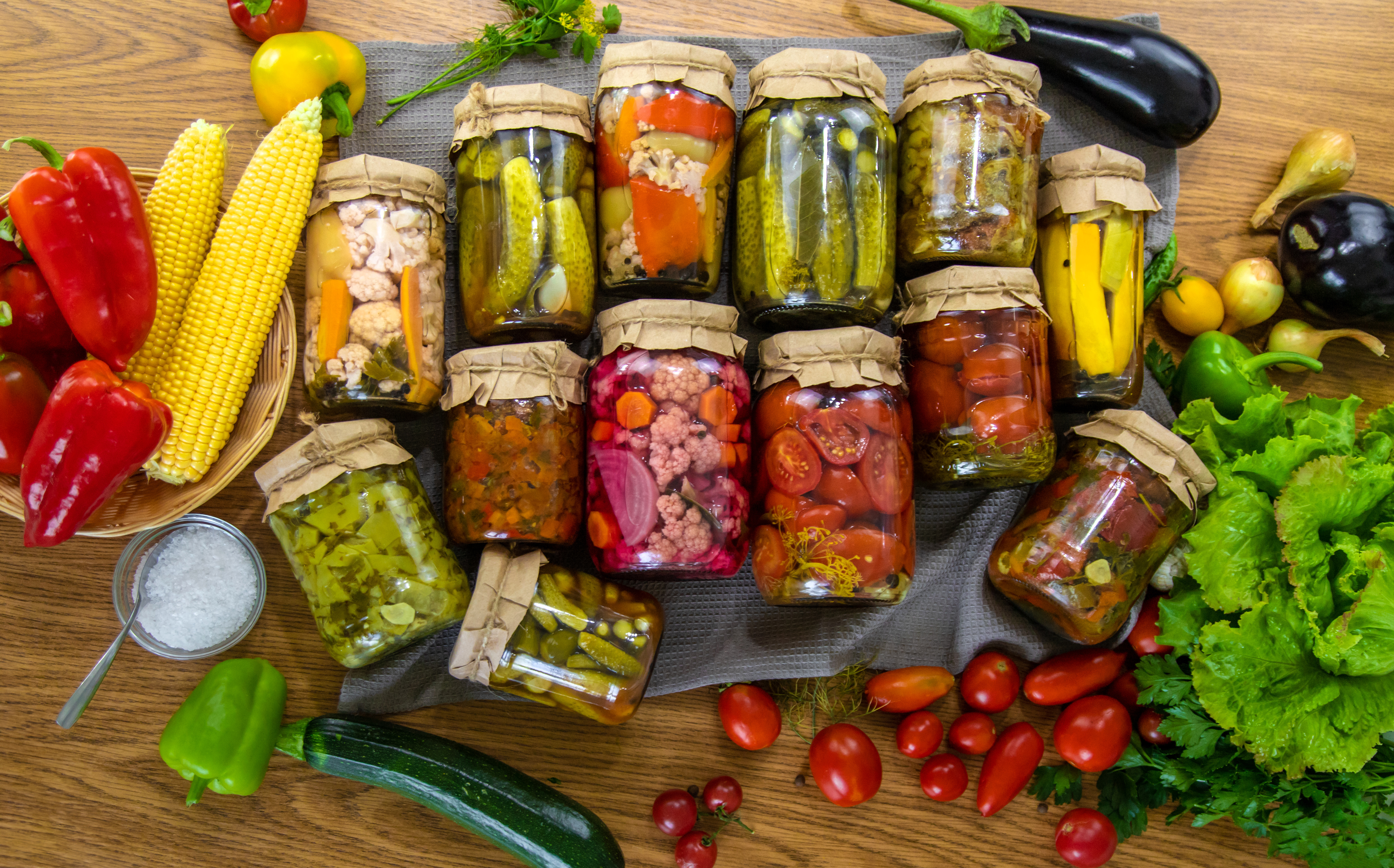
Today, the term "psychobiotic" already exists—referring to probiotic strains that specifically play a role in preventing or reducing mental complaints. Significant sources of these include not only kefir or yoghurt but also a rich array of fermented foods, such as sauerkraut or pickled gherkins. Kombucha (a fermented drink) is also gaining popularity and is widely available.
Many studies recommend following a Mediterranean diet—and I don't mean pizza and spaghetti, but rather fish, lean meats, olive oil, high fruit and vegetable consumption, and sources rich in antioxidants. Today, a hybrid version called the MIND diet is also available, which specifically provides advice focused on mental health, combining the Mediterranean diet and the DASH diet (a low-salt, high-fibre diet designed to prevent high blood pressure). The foundation here, too, is a variety of colourful vegetables and fruit, grains, legumes, fish, poultry, and olive oil.
What should you definitely avoid? The wide variety of processed and ultra-processed foods, as well as excessive sugar, fat, and salt intake. Avoid foods with long ingredient lists containing items that are hard to decode or are almost "ready-to-eat".
No "extra" things are needed; the recipe is simple. Through conscious and varied eating, we can do a lot for ourselves. I believe we all deserve this, and although it might be hard to form new habits at first, practice will eventually turn into routine.
Written by Zsófia VARGA
Photos: Szabolcs CSORTOS, Envato
Sources:
https://health.ec.europa.eu/non-communicable-diseases/mental-health_hu
A. Fenton, K. Neiling, M. Ndzi, C. K. Goode, K. G. Humphrey, (2024): Nutrition for Mental Health: Guidance for Clinical Practice, The Journal of Nurse Practitioners, 20 105209
M. T. Khan, M. Zohair, A. Khan, A. Kashif, S. Mumtaz, F. Muskan, (2025): From Gut to Brain: The roles of intestinal microbiota, immune system, and hormones in intestinal physiology and gut-brain-axis, Molecular and Cellular Endocrinology, 607 112599
J. Horn, D. E. Mayer, S. Chen, E. A. Mayer, (2022): Role of diet and its effects ont the gut microbiome in the pathophysiology of mental disorders, Translational Psychiatry, 12:164
D. Volkert, A. M. Beck, G. Faxén-Irving, T. Frühwald, L. Hooper, H. Keller, J. Porter, E. Rothenberg, M. Suominen, R. Wirth, M. Chourdakis, (2024): ESPEN guideline on nutrition and hydration in dementia-Update 2024, Clinical Nutrition, 43 1599-1626
A. PM van Soest, S. Beers, O. van de Rest, L. CPGM de Groot, (2024): The Mediterranean-Dietary Approaches to Stop Hypertension Intervention for Neurodegenerative Delay (MIND) Diet for the Aging Brain: A systematic Review, Advances in Nutrition 15 100184


- Log in to post comments
News






Faculties
University of Pécs
International Centre | Rector's Cabinet
H-7622 Pécs, Vasvári Pál str. 4.
+36-72/501-500/61682


University of Pécs | Chancellery | IT Directorate | Portal group - 2020.