
Open Space in the BTK–TTK Aula
2026
Mar
11
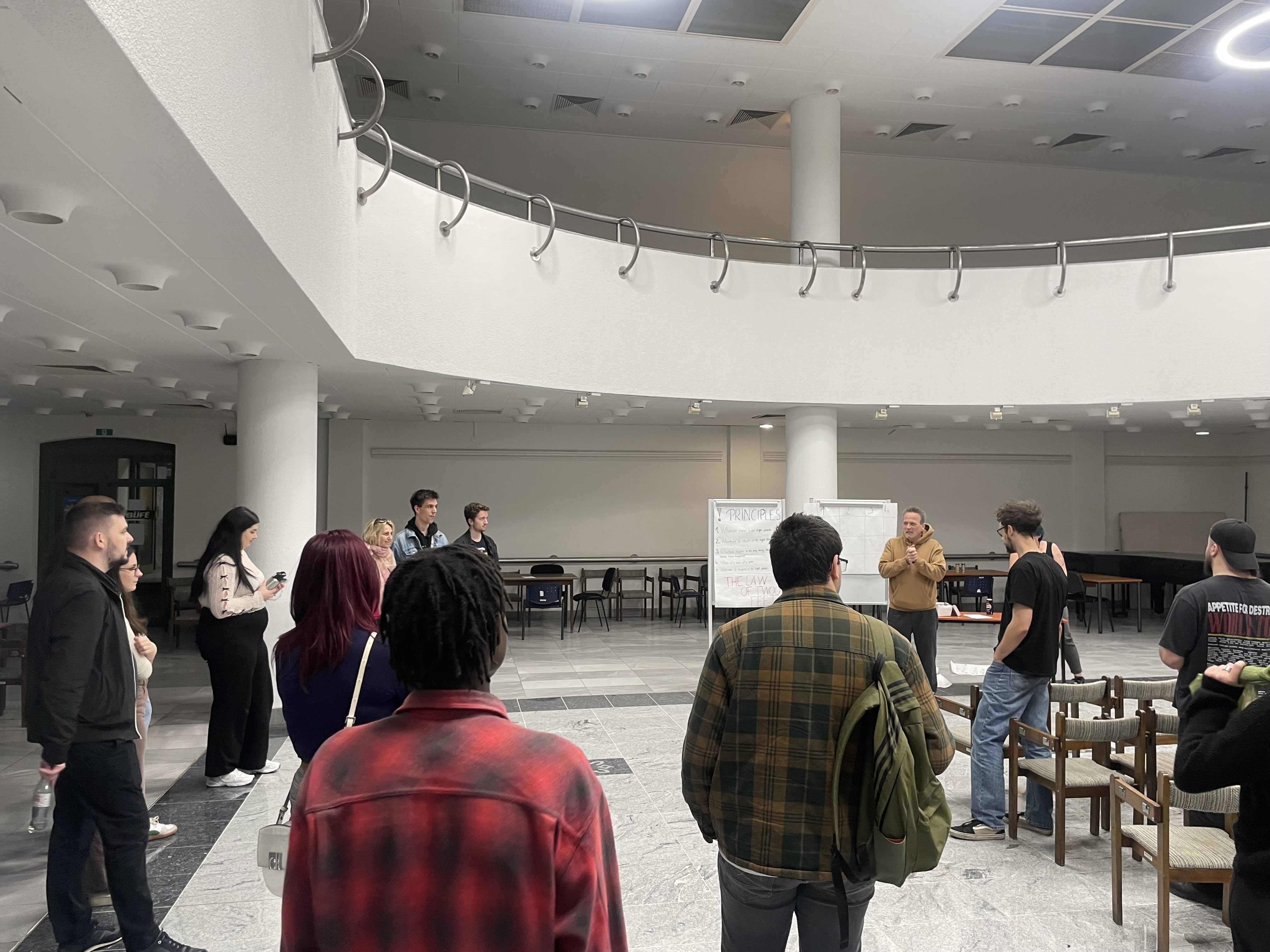
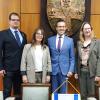
On 10 March, the university’s central hall played host to far more than a standard academic discourse. Organised by the Future Teachers Association and Dr Ferenc Arató, this bilingual Hungarian-English Open Space discussion saw students take the reins. In place of dry presentations, those in attendance took centre stage: they set the evening’s focal points themselves, creating an environment where every voice found an attentive ear.
Yesterday evening, we witnessed a unique social experiment where traditional academic hierarchies were replaced by the freedom of self-organisation. The essence of the methodology used is precisely the absence of a fixed schedule; the organisers merely provided the framework, while the participants filled the space with their own ideas and insights. As the event was held in both Hungarian and English, international and local students were able to share their perspectives directly and without barriers.
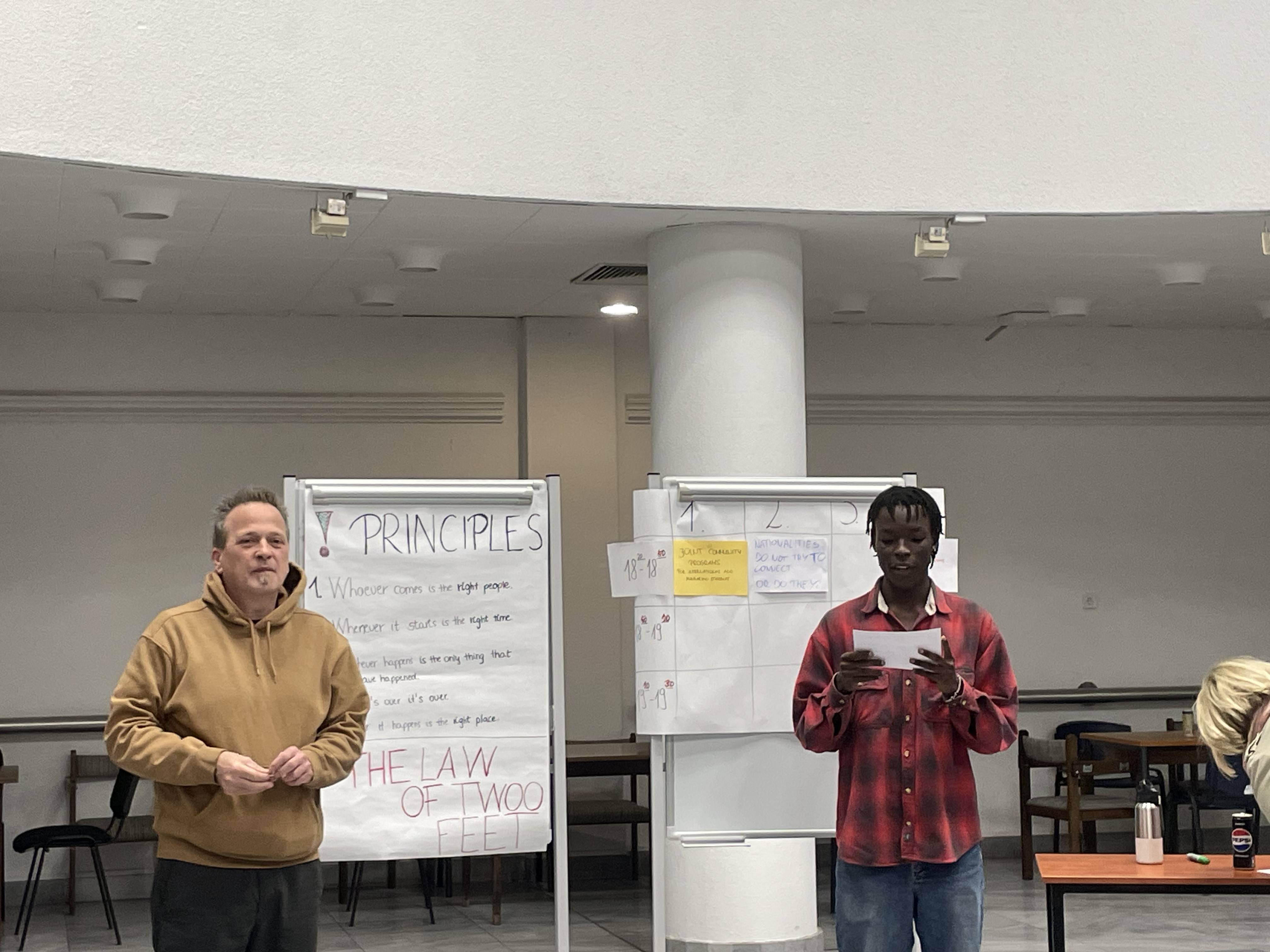
The ‘marketplace’ quickly filled with topics raised by the students, focusing primarily on the relationship between international and Hungarian students. The notes pinned to the board featured questions such as the lack of joint community programmes, the reality of isolation between nationalities, and how language barriers and culture shock hinder integration on campus. Participants also boldly dissected housing issues, comparing the benefits of separate versus mixed dormitory systems, while discussing the effectiveness of student representation and the importance of understanding the faculty’s perspective.
This extraordinary dynamism was no accident, but rather the result of the specific ‘laws’ of Open Space. The most significant of these was the ‘Law of Two Feet’: if anyone felt they could no longer contribute or learn anything new in a particular discussion, they were free—without any need for polite excuses—to move to another group. This ensured that only those truly driven by curiosity or a desire for action remained at each table.
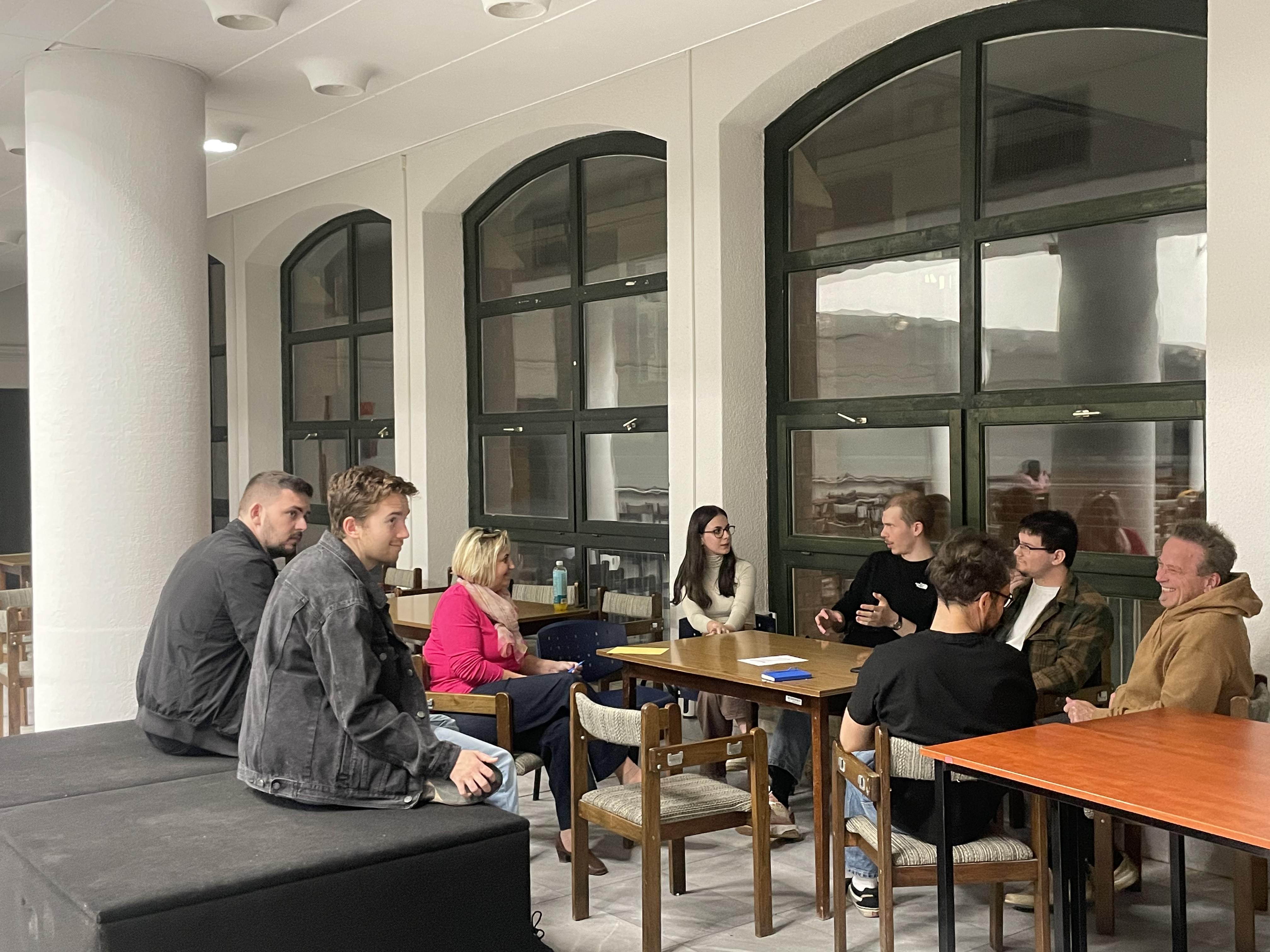
The process was complemented by the so-called ‘butterflies’ and ‘bumblebees’: while the former created opportunities for unexpected, informal ideas through their quiet presence, the latter moved from group to group, ‘cross-pollinating’ the various tables with fresh thoughts. The event was guided by the principle that whoever came were the right people to be there, and whatever happened was the only thing that could have happened at that moment.
Those who picked up a marker yesterday did more than just share their experiences; they helped build a more welcoming, open campus environment. The success of the evening and the power of collective thinking provided clear feedback for the organisers.
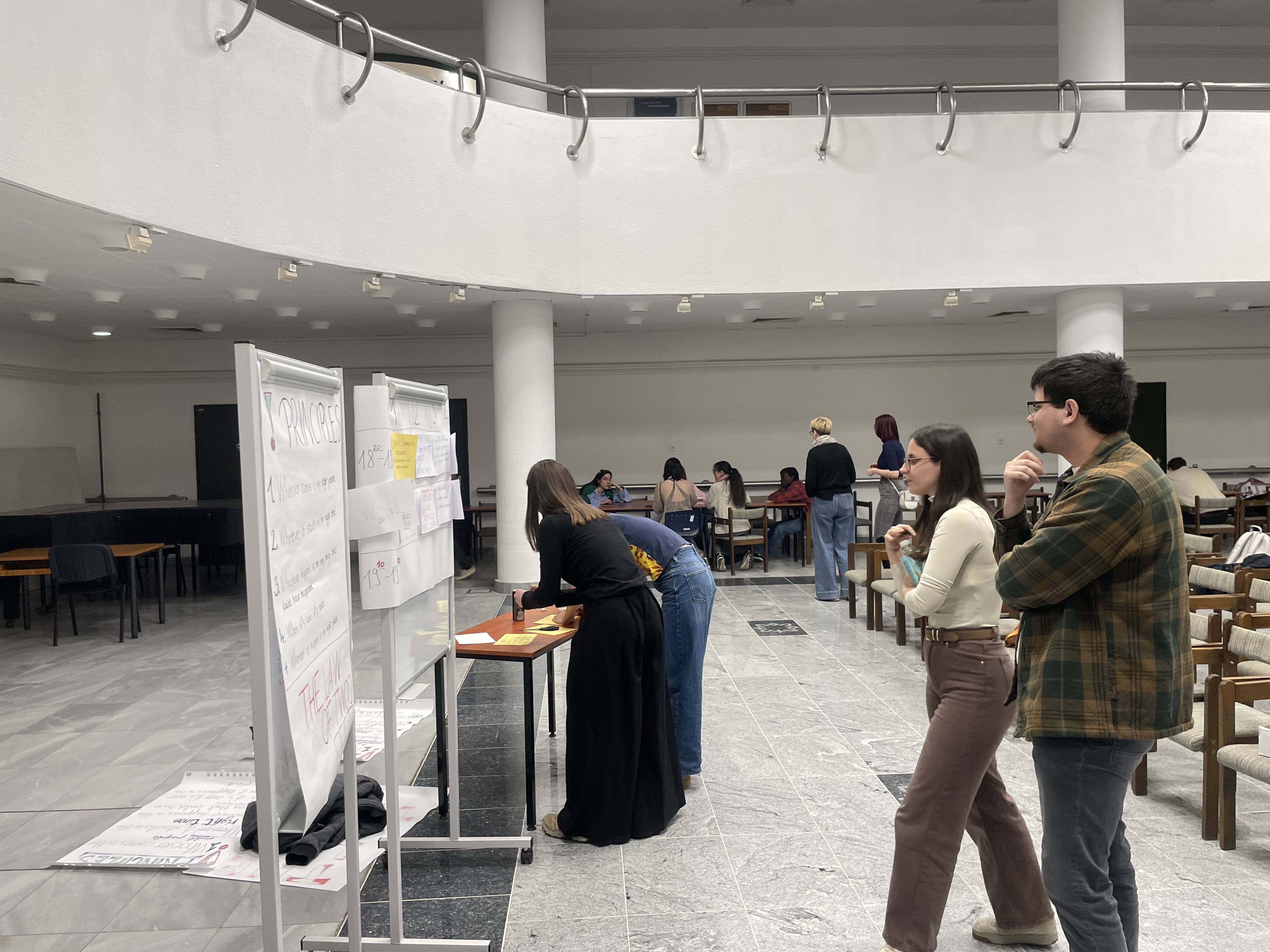
Consequently, the Future Teachers Association plans to host similar events based on open dialogue in the future. The goal remains shared: to build a university environment where students are not merely visitors, but active shapers of their own daily lives. It will be well worth keeping an eye out for updates, as this discourse is far from over.


- Log in to post comments
News







Faculties
University of Pécs
International Centre | Rector's Cabinet
H-7622 Pécs, Vasvári Pál str. 4.
+36-72/501-500/61682


University of Pécs | Chancellery | IT Directorate | Portal group - 2020.