
EDUC Receives Renewed Funding from the European Commission
2026
Jul
09
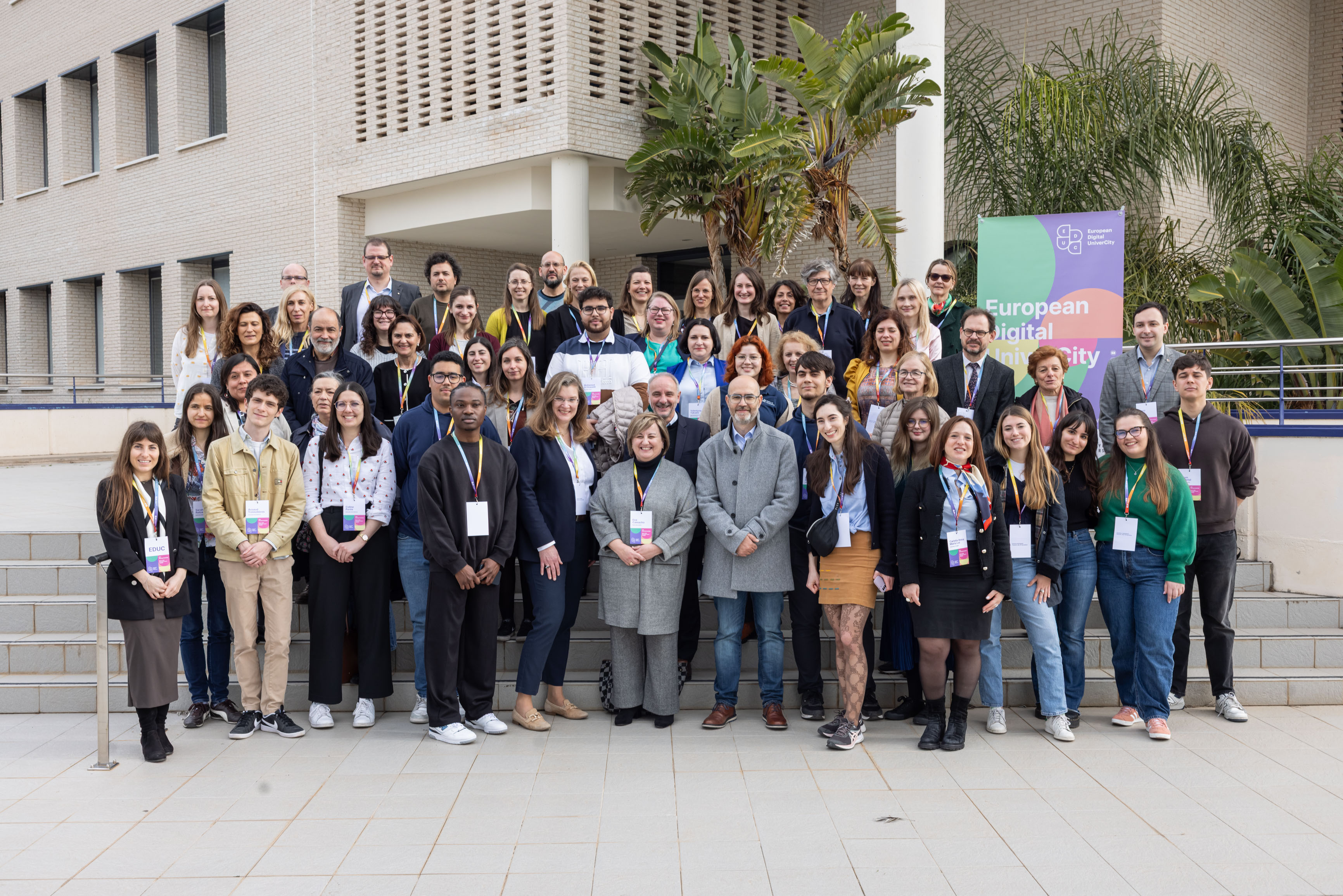
The European Digital UniverCity (EDUC), a European university alliance coordinated by the University of Potsdam, has once again secured funding through the European Commission’s European Universities initiative. Following successful funding rounds in 2019 and 2023, EDUC has now received support for a third time. The eight partner universities will receive a total of 4,27 million euros, launching a new two-year funding of the alliance and continuing their successful collaboration.
The upcoming phase will focus on consolidating the alliance’s achievements and sharpening its strategic profile. The partner universities will further develop their European cooperation while expanding existing opportunities for students, teachers, researchers, and staff. Key priorities include innovative teaching and learning formats, digital education, virtual mobility, and the continued development of joint degree programs that span national borders. EDUC will also strengthen initiatives that connect education and research, expand opportunities for staff, and deepen partnerships with regional stakeholders.
“This funding is an important recognition of the work being carried out across EDUC and of our alliance’s contribution to European higher education,” says Britta van Kempen, Vice President for Educational and European Affairs. “The alliance is built on the strong institutional commitment of all our partners. Our goal is for EDUC to become an integral part of a resilient European higher education system. We contribute to this by serving as a role model for both digital and physical mobility and by placing societal responsibility at the center of our work. Given the current financial challenges, this EU funding is invaluable. It enables us to build on what we have achieved so far and take the next step toward a truly European Education and Research Area.”
A more strategic phase for EDUC
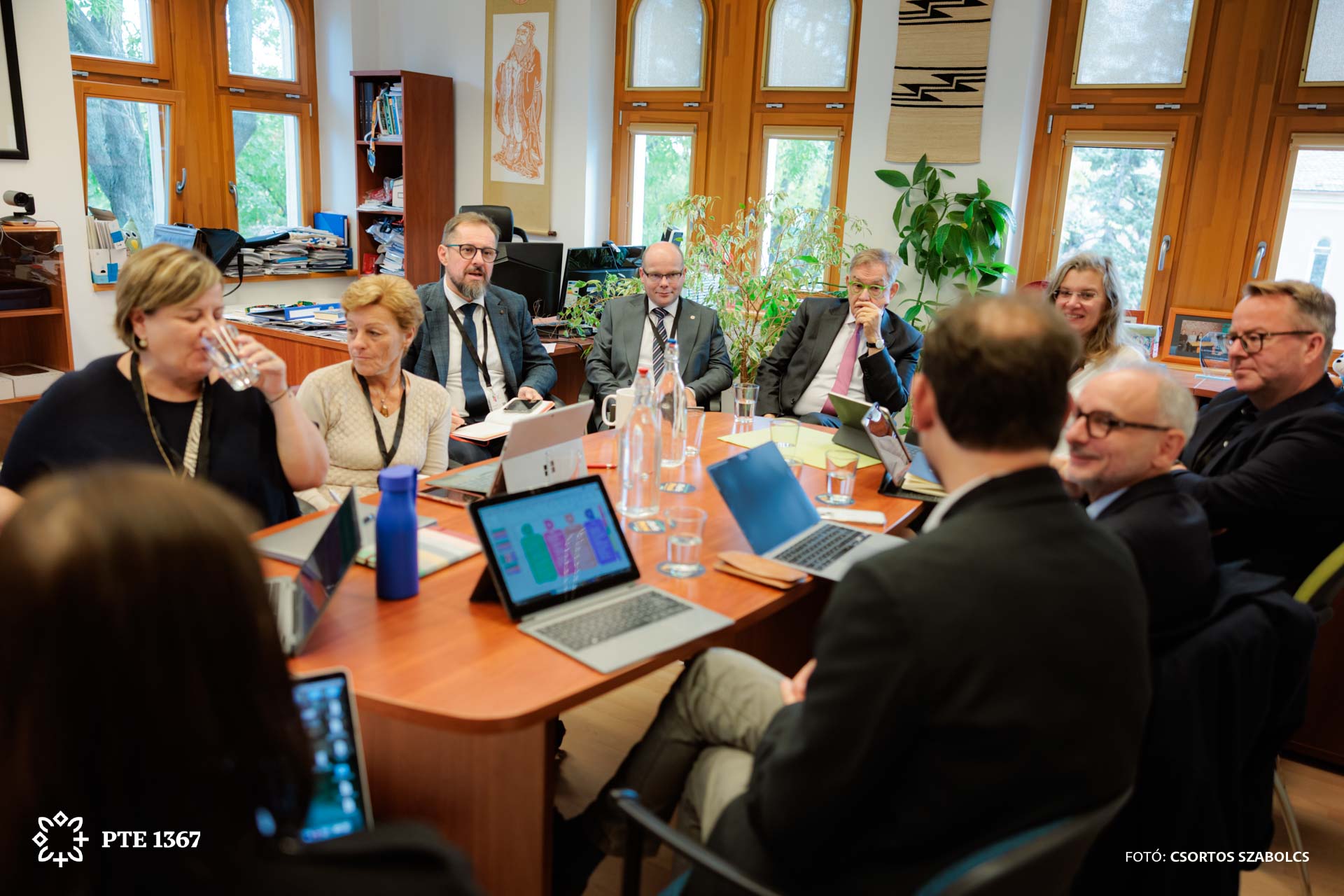
Going forward, the alliance will be organized into seven work packages, each coordinated by one of the partner universities. Compared with the current funding period, the new phase places greater emphasis on clearly defined priorities, shared responsibility among the partners, and more efficient alliance management. This will allow EDUC to pursue its cooperation in an even more strategic and long-term way.
A new governance structure will also be introduced. While the University of Potsdam will remain the alliance’s coordinating institution, a rotating Troika presidency will see the chairmanship pass from one member university to another every six months. Mirroring the principles of the European Union, this model strengthens the partners’ shared responsibility for shaping EDUC’s future.
Focusing on responsible digital education and European networking
Collaboration across bachelor’s, master’s, and doctoral education, along with intensive short programs and summer schools, will remain central to the alliance’s activities. At the same time, EDUC will further strengthen its engagement with regional communities and societal partners. Initiatives such as the Youth Integration Lab, the TESE Days for doctoral candidates, and challenge-based learning will continue to evolve, helping to bring research, innovation, and civic engagement even closer together.
Over the past several years, EDUC has built a robust digital infrastructure that now serves the alliance efficiently and effectively. In the next phase, the focus will shift toward maintaining and implementing existing digital tools, with particular emphasis on sustainability and digital sovereignty.
Strengthening the European higher education community
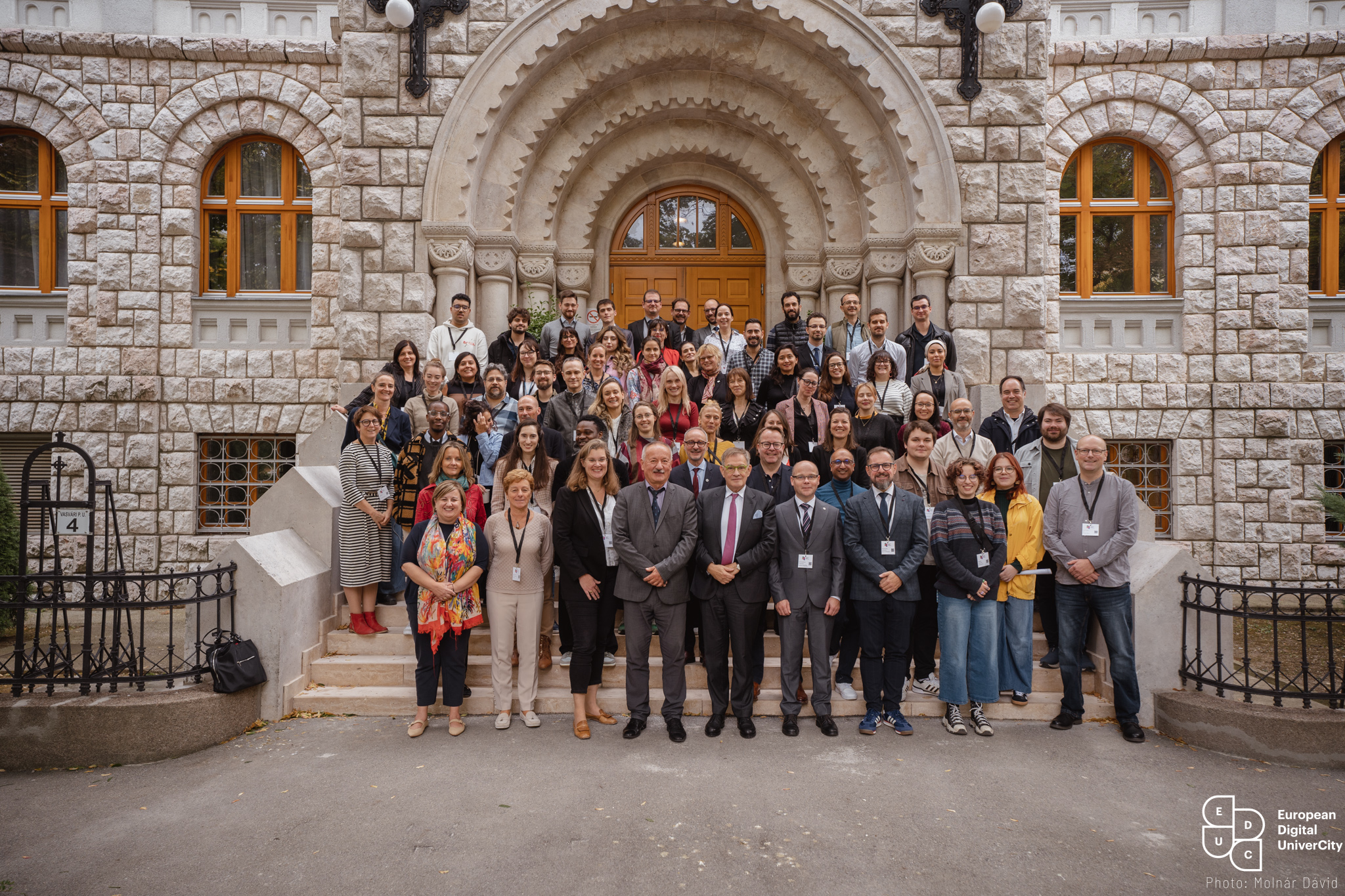
The European Digital UniverCity brings together universities from Germany, France, Italy, Spain, the Czech Republic, Hungary, and Norway, as well as two associated partner universities in the United Kingdom and Ukraine. The alliance is further supported by a network of associated partners in the participating cities and regions. Together, they are working to create a European higher education area in which students, researchers, teachers, and staff can learn, teach, conduct research, and collaborate seamlessly across national borders.
With this renewed funding, EDUC will continue to pursue that vision while further developing the alliance as a shared European academic community. The goal is to make international collaboration more accessible, more inclusive, and available to an even greater number of students and staff. At the same time, EDUC will continue strengthening the links between education, research, innovation, and civic engagement across Europe.
LINKS:
- EDUC Alliance – Open your world of European education
- European Digital UniverCity (EDUC) - Universität Potsdam
- European Universities initiative - European Education Area
- FOREU4ALL Discussion Paper | European Universities Alliances: Beating Heart of Europe’s Future - FOREU4ALL
Author: Dávid Molnár
Photos: Szabolcs Csortos


- Log in to post comments
News






Faculties
University of Pécs
International Centre | Rector's Cabinet
H-7622 Pécs, Vasvári Pál str. 4.
+36-72/501-500/61682


University of Pécs | Chancellery | IT Directorate | Portal group - 2020.