
Run the pain away!
2026
Sep
16
Participants in this year's University of Pécs, Run for Cancer Treatment charity run can contribute to the establishment of a pain management clinic. The event’s beneficiary this year is the Péter Tölösi Foundation. Dr Ágnes Vojcek, a paediatric oncologist and a board member of the foundation, talked about its history, activities, and objectives.
What should you know about the Péter Tölösi Foundation?
It was established 36 years ago
to support the recovery and subsequent rehabilitation of children treated at the Paediatric Oncology Department in Pécs.
Treatment does not necessarily conclude when patients are physically and psychologically ready to return to their usual environment, kindergarten, or school. When necessary, the foundation's physiotherapist helps children and their families with physical rehabilitation, while the psychiatrist assists with psychological healing.
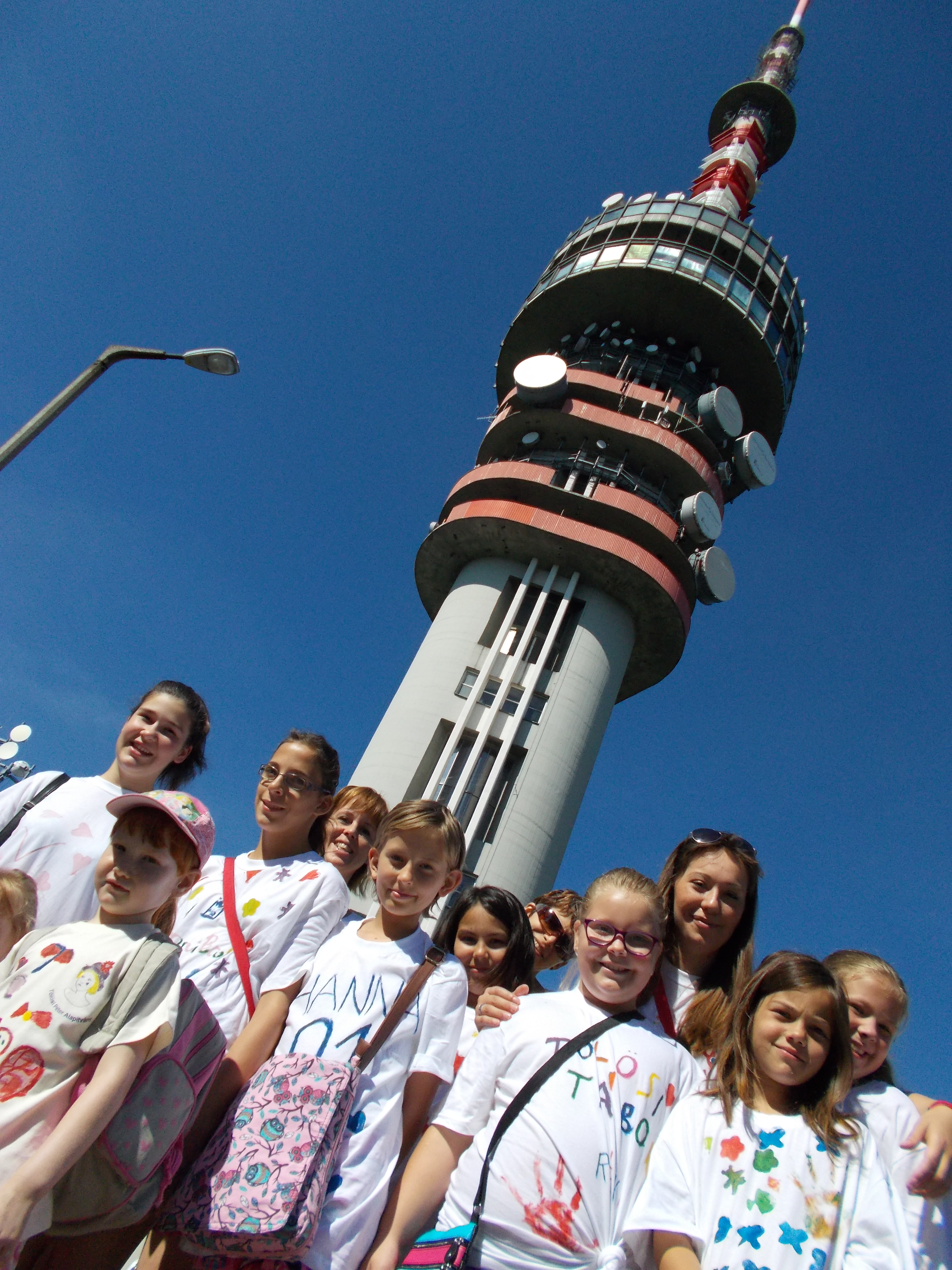
Similar foundations operate now in every paediatric oncology centre in the country, but the Péter Tölösi Foundation was among the early pioneers that tried to provide support for both treatment and rehabilitation. We also naturally cooperate with other organisations, notably the EURAKVILO Foundation (which was the main beneficiary of the University of Pécs Run for Cancer Treatment programme in recent years - Ed.). While there are jointly set goals, Tölösi focuses on the post-treatment period, whereas other organisations focus more on the active treatment period.
How do the recovery chances of children with cancer compare to those of adults?
Much better!
International and domestic statistics show that almost 80% of children with malignant diseases make a full recovery.
This applies to all tumour types and stages: some have a cure rate of over 95%, while the prognosis is less favourable for others. Nowadays, seven to ten children recover, so there are more and more survivors: today we can say that every 600th adult in Europe was treated for a tumour disease in childhood.
A cancer diagnosis not only affects the child, but also their family. How can relatives be helped?
Our foundation employs a psychiatrist who provides regular support to parents, and occasionally grandparents, during the long months of chemotherapy and afterwards. Sometimes siblings also need psychological support, as the treatment period is particularly stressful for them; they worry about their sibling and miss their mother's attention and presence in their daily lives. The foundation also organises themed camps: some welcome children who have recovered together with their siblings, while family camps invite families whose children were treated at the same time. These events provide an opportunity to share experiences and recharge, as well as crucial psychological support. Peer families — fathers, mothers, children, and siblings who have experienced a similar situation — are truly able to share and process their experiences with each other.
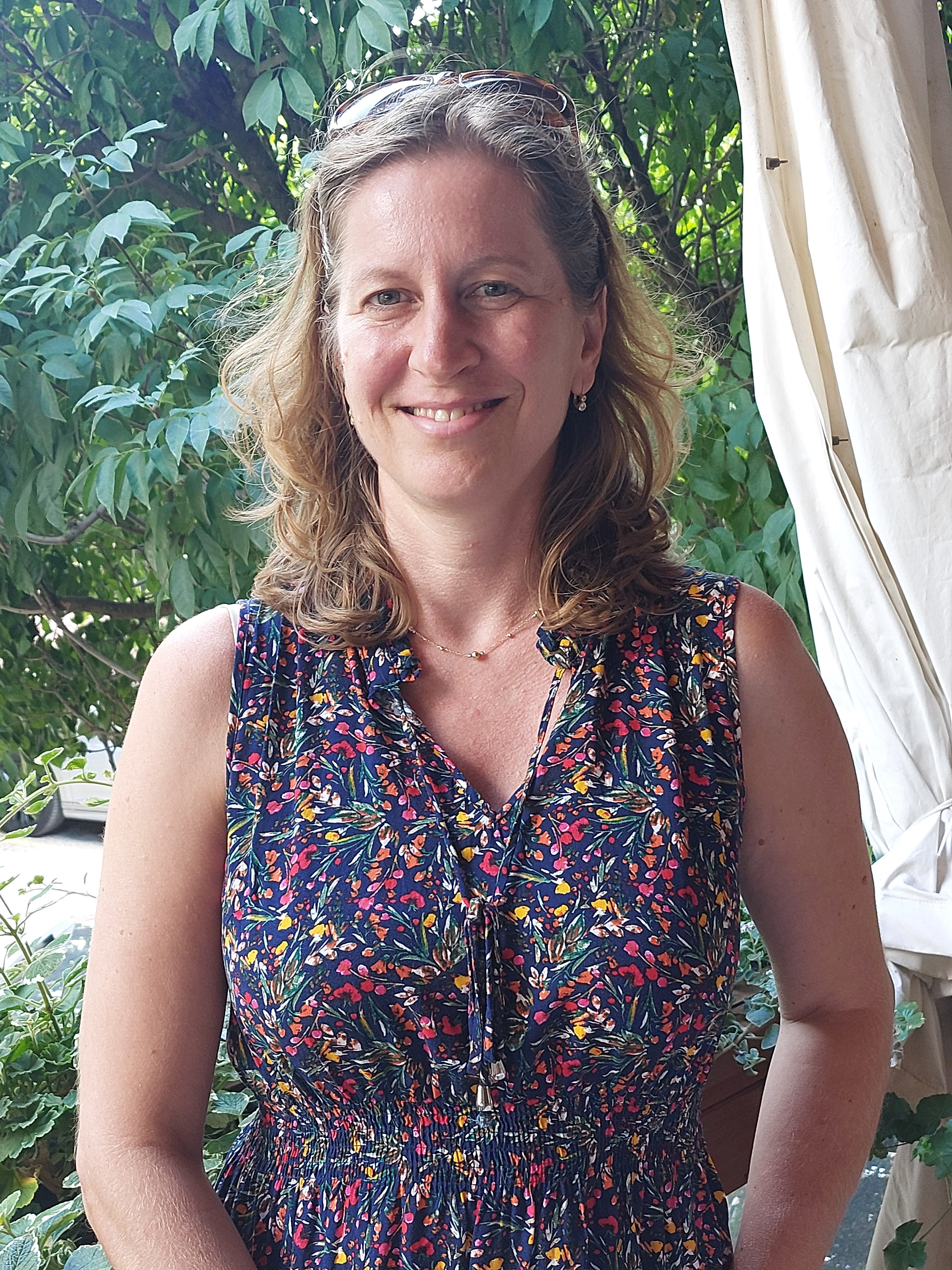
This year, the main beneficiary of the charity run is this foundation. What do they plan to spend the money on?
We intend to set up a pain management clinic in the foundation's building. This idea arose from a genuine need, as both domestic and international studies have shown that
one in five children experiences persistent or recurring pain lasting at least three months. Pain most frequently manifests as headaches, stomach aches, or joint pain. While some of our patients suffer from chronic pain, our doors would also be open to those living with other chronic illnesses or struggling with family- and school-related stress.
Chronic pain negatively impacts the quality of life of the whole family, as well as the child's school performance, friendships, and emotional development. As the whole family can be affected, it is essential that both parents and siblings attend the initial consultation. As well as a paediatrician, the team includes a psychologist and a physiotherapist, so proper lifestyle, daily routine, sports activities, and sleep are emphasised alongside medical treatment. Psychological interventions are also often necessary. Similar services are currently operating in two locations in the country: Bethesda Hospital in Budapest and Markusovszky Hospital in Szombathely.
We would very much like to see these services become available in Pécs as well. The foundation's house is an ideal venue for this purpose as it is not a traditional clinical setting, which may be less frightening for children.
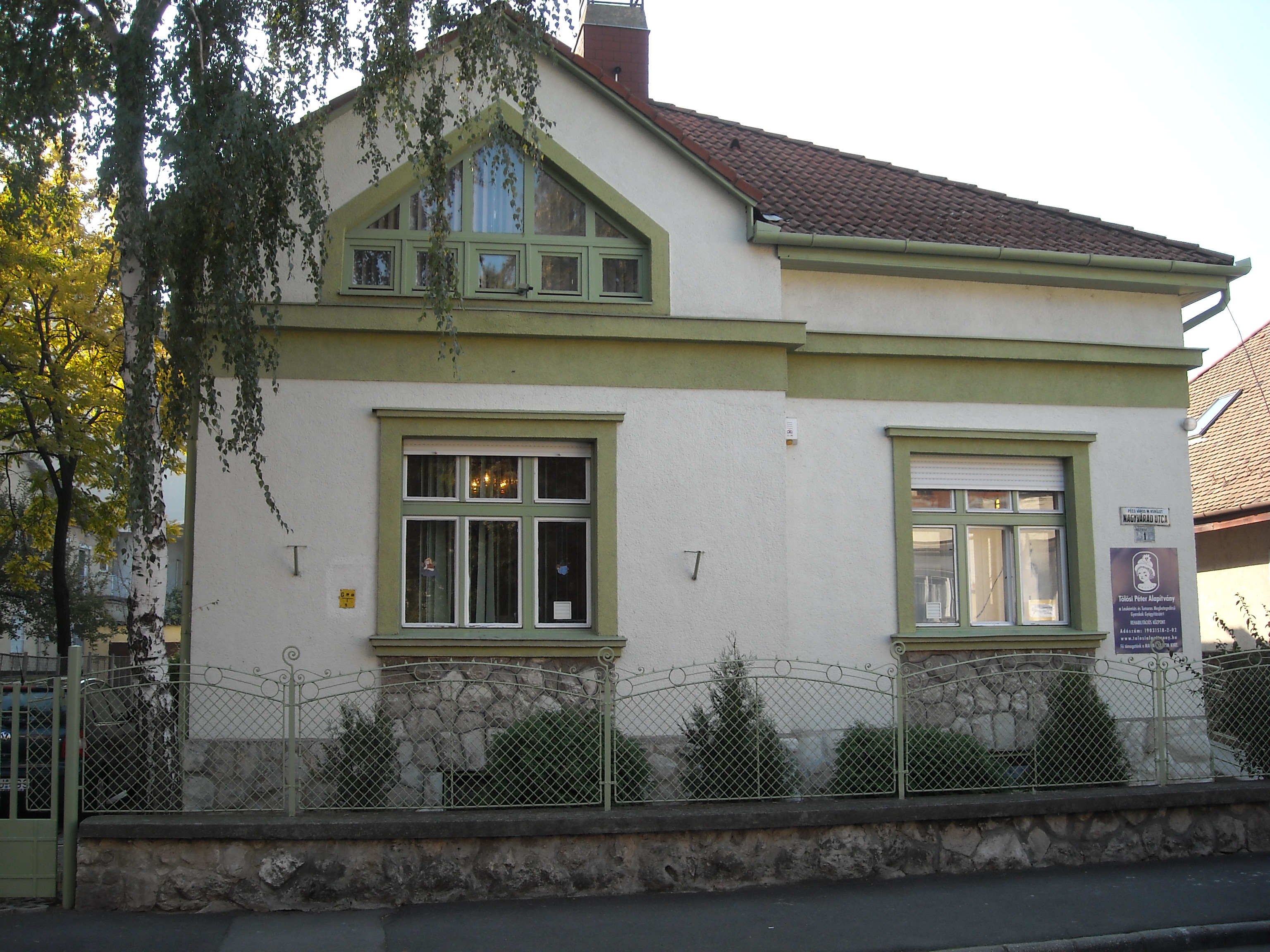
If you cannot attend the 'Run for Cancer Treatment’s programme, how can you help the Péter Tölösi Foundation?
We welcome financial contributions to our bank account, but we must also maintain a large property. We would also be grateful for contributions in the form of paint, materials, or garden work. Of course, we are also happy if someone simply participates in our events. For any enquiries regarding contributions, please contact Adrienn Sallai at tolosi.alapitvany@t-online.hu.
How long have you been supporting the work of the oncology foundation, and why? Can you think of an experience connected to the foundation that still warms your heart today?
I joined the board nearly ten years ago, recognising the important role the foundation plays in the lives of children and families.
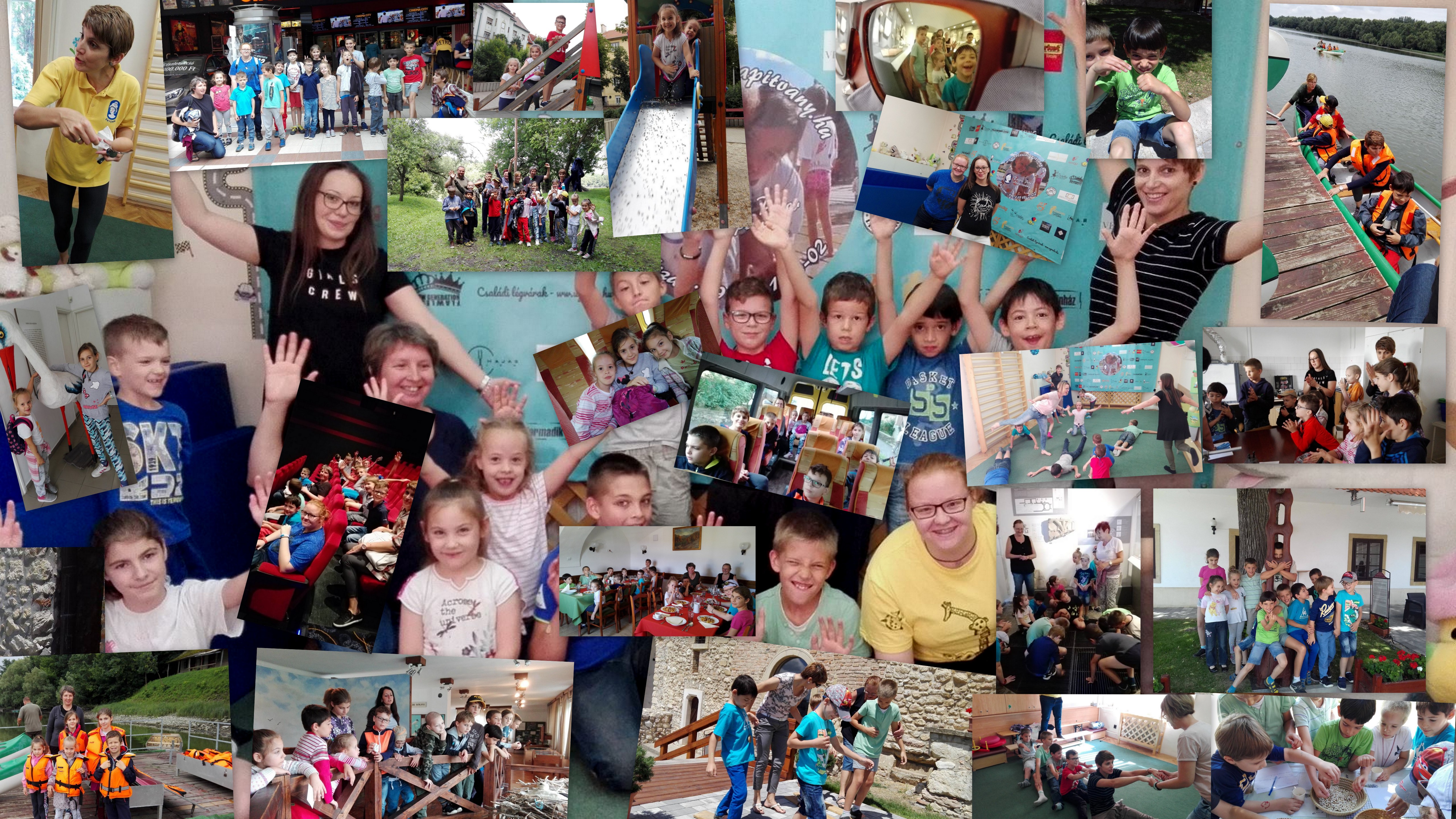
I can recall many experiences, but right now I am thinking of last year's family camp in Orfű, which was attended by the families of eight children whose treatment had ended the previous year. Seeing these children running around happily, roasting bacon, and playing freely like carefree preschoolers or little schoolchildren with long hair was a huge joy. During the camp, there were group sessions led by psychologists, and I spoke to the parents about the importance of follow-up care. In this relaxed atmosphere, many of them let out their tension and cried with relief, asking questions that had been on their minds for a long time. One father's words have stayed with me ever since: 'Thank you for letting us be here today — at all.'


- Log in to post comments
News




Faculties
University of Pécs
International Centre | Rector's Cabinet
H-7622 Pécs, Vasvári Pál str. 4.
+36-72/501-500/61682


University of Pécs | Chancellery | IT Directorate | Portal group - 2020.